


Share
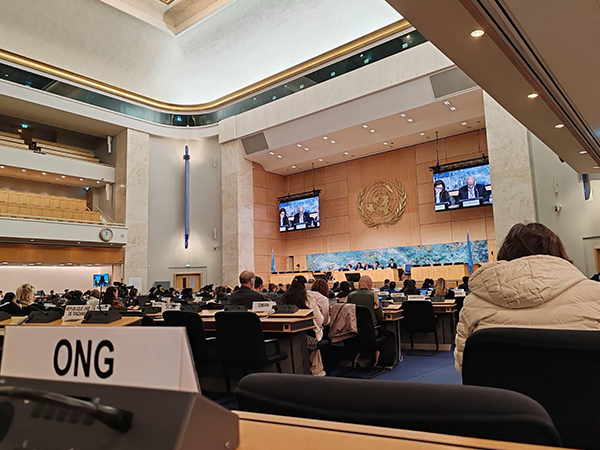
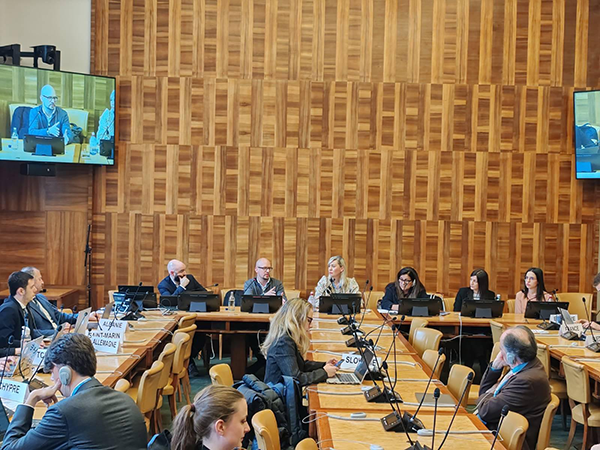
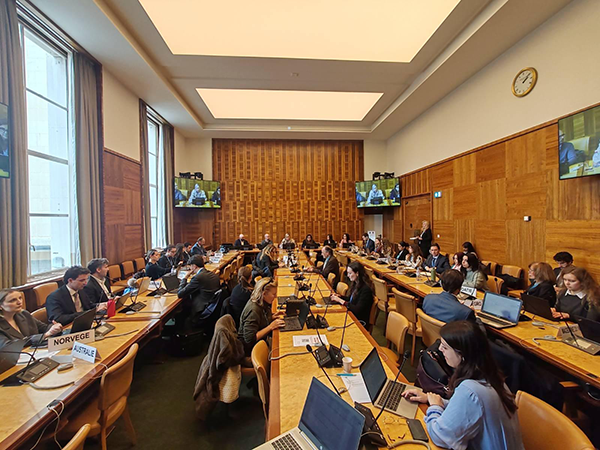
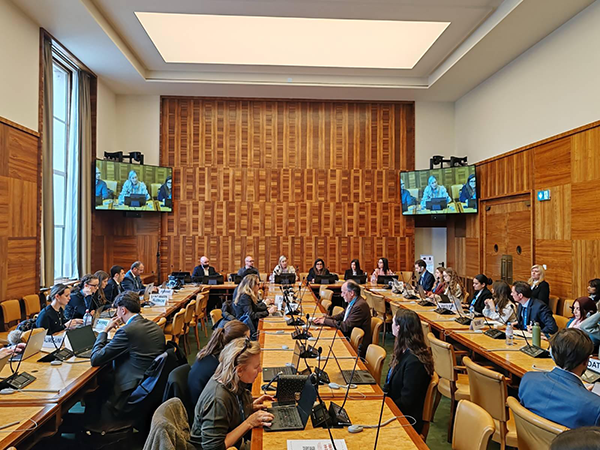
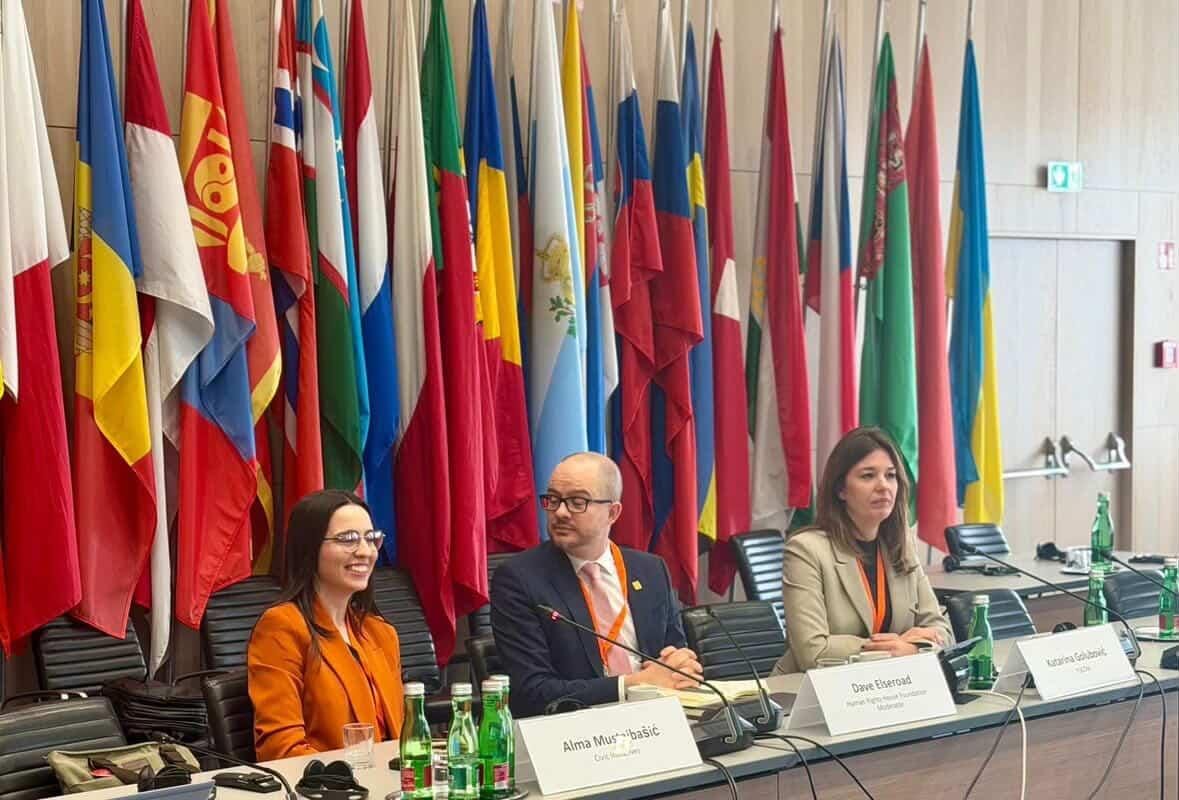
On the occasion of the 61st session of the UN Human Rights Council, the Belgrade Centre for Human Rights, with the support of the Human Rights House Foundation, organised a side event “Serbia: Free Expression and Assembly under Attack” at the United Nations Office in Geneva.
The event brought together international stakeholders and representatives of Serbian civil society to discuss recent developments concerning fundamental freedoms in Serbia, with a particular focus on the right to peaceful assembly, freedom of expression, media freedom, the situation of human rights defenders, as well as concerns related to digital surveillance and the protection of the right to privacy.
The panel featured Gina Romero, UN Special Rapporteur on the Rights to Freedom of Peaceful Assembly and of Association (online); Ana Brian Nougrères, UN Special Rapporteur on the Right to Privacy; Tamara Filipović from the Independent Journalists’ Association of Serbia (NUNS); Alma Mustajbašić from Civic Initiatives, and Dušan Pokuševski from the Belgrade Centre for Human Rights. The discussion was moderated by Sonja Tošković, Executive Director of the Belgrade Centre for Human Rights.
Speakers highlighted several concerns about the human rights situation in Serbia. Sonja Tošković noted that 2025 witnessed a serious deterioration of the rule of law in Serbia, accompanied by violations of fundamental rights, particularly the rights to peaceful assembly and freedom of expression.
Speaking about the treatment of protesters, Alma Mustajbašić pointed out that more than 1,000 citizens were arrested during protests between November 2024 and the end of last year, while legal proceedings against some of them are still ongoing. At the same time, individuals who attacked students and severely injured them were later pardoned by the president, and no police officer has been held accountable for the violence committed against citizens and students.
The discussion also addressed the safety of journalists. Tamara Filipović highlighted that the Serbian police are increasingly failing to protect journalists and are instead becoming a source of risk. According to data collected by NUNS, 77 cases were documented between March and December 2025 in which police either failed to intervene during attacks on journalists or used force against clearly identified media workers.
The panel also addressed growing concerns regarding digital surveillance and the protection of the right to privacy. Dušan Pokuševski from the Belgrade Centre for Human Rights emphasised that “illegal digital surveillance is not an isolated technical incident, but a form of broader systemic repression.”
Participants concluded that the current developments raise serious concerns regarding the protection of fundamental freedoms and democratic standards in Serbia.
Following the discussion, several key recommendations were highlighted:
- States should address the human rights situation in Serbia in their national statements during sessions of the UN Human Rights Council, drawing attention to concerns related to fundamental freedoms.
- The Office of the UN High Commissioner for Human Rights should continue monitoring the human rights situation in Serbia and follow up on previous communications from UN Special Procedures.
- Continued attention should be given to the implementation of UPR recommendations related to Serbia, particularly those concerning freedom of assembly, freedom of expression, media freedom, and the protection of human rights defenders.
The event provided an opportunity to bring recent developments in Serbia to the attention of international stakeholders and to encourage stronger engagement with mechanisms aimed at protecting fundamental human rights.
The side event “Serbia: Free Expression and Assembly under Attack” was organised by the Belgrade Centre for Human Rights, with the support of the Human Rights House Foundation.


SPACE FOR YOU
